
A used hybrid can be a good fit for one driver and a poor match for another. To compare vehicles fairly, look beyond the badge, age, and advertised fuel economy. Check each car’s condition and service records, confirm which equipment it includes, and consider how its powertrain suits your usual journeys. A simple side-by-side checklist helps you spot meaningful differences, ask useful questions, and focus on cars that work for your budget and routine.
Assess condition consistently
Inspect each car in similar conditions, ideally in daylight and when it is dry. Check the body for uneven panel gaps, paint differences, rust, and signs of previous repairs. Look at tires for even wear, then test the lights, windows, climate controls, and infotainment system. Uneven tire wear or a warning light is a reason to ask questions and arrange an independent inspection, not something to dismiss.
On a test drive, listen for unusual noises and check that the car accelerates, brakes, and steers smoothly. Notice how the petrol engine and electric motor work together; their behavior varies by model. Ask the seller to explain any hybrid-system warning or unfamiliar sound. A test drive cannot confirm the condition of every component, so consider a qualified inspection that includes the hybrid system before you commit.
Read the service records
Ask for the service book, invoices, and any digital maintenance history. Compare the recorded work with the manufacturer’s schedule for that model, rather than relying on a general claim that the car is well maintained. Check dates, mileage, and the types of work completed. Look for gaps and ask what happened during those periods; missing records do not prove a problem, but they leave more to verify.
Ask whether the hybrid battery has been inspected or tested and whether the seller can provide documentation. Check for open recalls with the manufacturer or an appropriate vehicle-check service. Confirm what warranty, if any, comes with the car, what it covers, and how long it lasts. Keep written answers and supporting documents so you can compare the evidence from each vehicle.
Compare equipment that matters
Make a short list of features you will actually use, such as parking sensors, a reversing camera, adaptive cruise control, heated seats, or smartphone connectivity. Confirm that each feature is fitted to the specific car and works as intended; equipment can differ between trim levels and model years. Check the vehicle listing against the controls and displays during your visit.
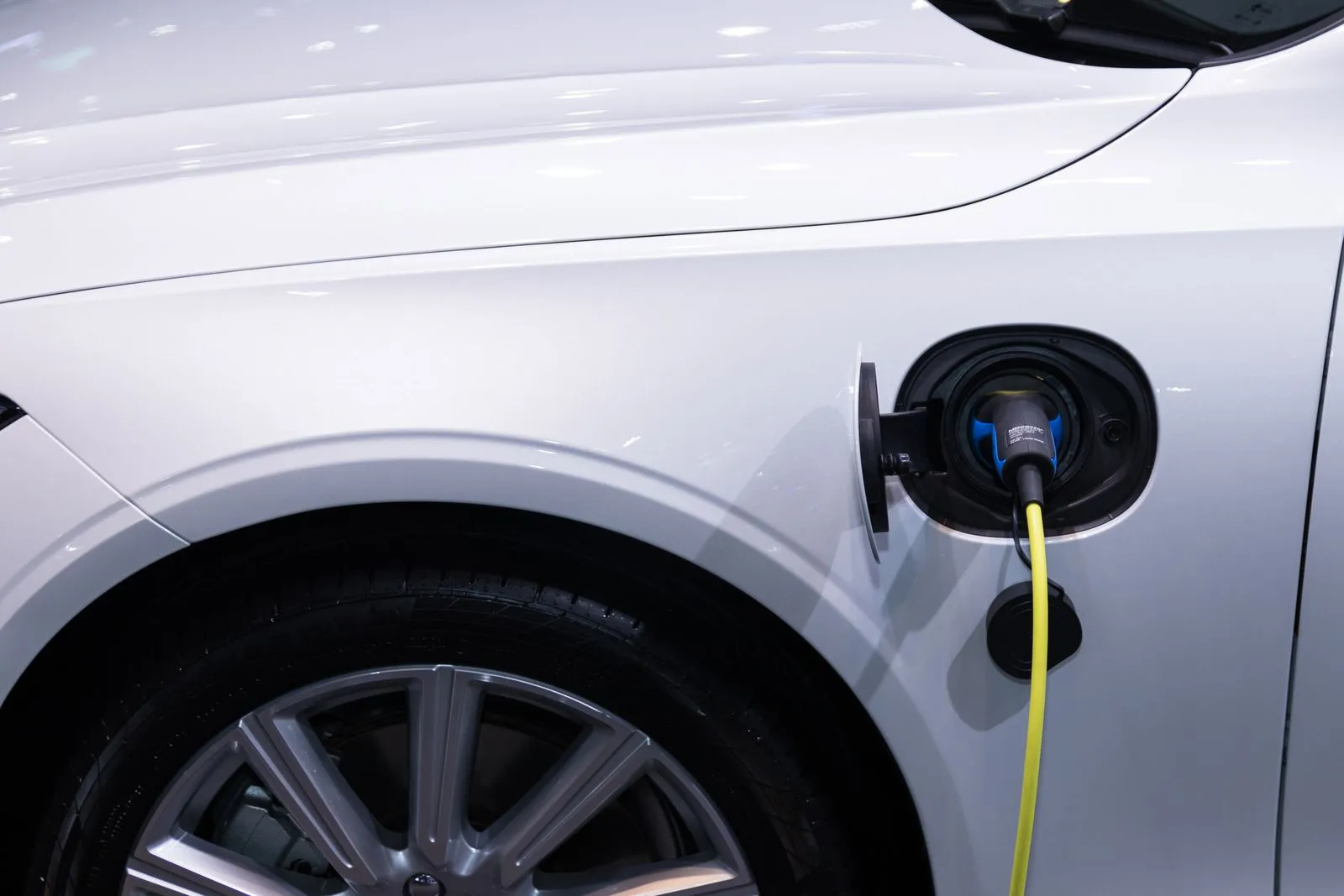
Also compare practical details: rear-seat space, boot capacity, child-seat access, visibility, and the number of charging cables supplied where relevant. Plug-in hybrids need access to charging to make regular electric driving practical. If you are comparing a standard hybrid with a plug-in, treat them as different choices: review charging needs and electric range alongside the features and price.
Match the car to your routine
Write down the journeys you make most often, including typical trip length, road type, passengers, and luggage. A standard hybrid does not need to be plugged in, while a plug-in hybrid needs regular charging to make useful use of its electric range. If you cannot charge at home or work, consider whether charging access and the car’s fuel use on longer trips fit your routine.
Compare likely running needs, not just an advertised fuel-economy figure. Your results will depend on driving style, traffic, trip length, weather, and charging habits. Check the owner’s manual for fuel requirements and maintenance guidance, and get insurance quotes using the exact registration where possible. Put each car’s condition, records, equipment, and suitability beside its asking price to see which one offers the best fit.
The best used hybrid is not necessarily the newest or most highly equipped. It is the car with condition and records you can verify, features you will use, and a powertrain that suits your everyday journeys. Compare a shortlist with the same checklist, ask for evidence, and arrange an inspection before purchase. For help reviewing options, contact Birmingham Hybrid Motors.